





חנוכה, meaning “dedication,” recalls the Maccabees’ victory over the Greeks and the rededication of the Holy Temple after it had been destroyed. The transliteration of the Hebrew word into English permits a wide variation, including the use of single or double ‘K’s, single or double ‘N’s, and/or a ‘H’ at the end. Some spellings are more common than others and are used by different people. There are an estimated 20 different versions!
The most common one in America today is “Hanukkah.” This version is often preferred by non-Jews and the less observant because it is easier to say and more modern. Many organizations like the Union for Reform Judaism, Merriam-Webster dictionary, the U.S. Postal Service, and the New York Times have made this their official way of spelling it.
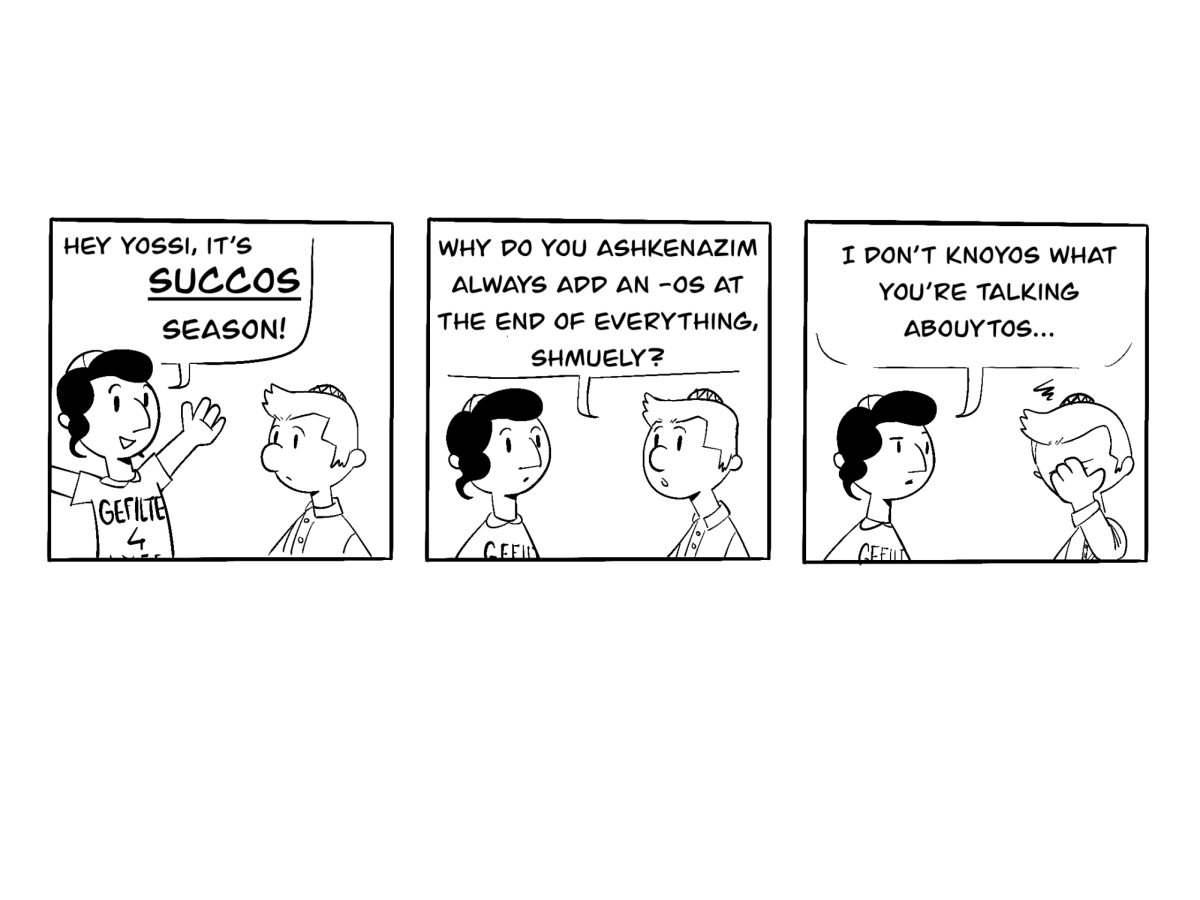
“Chanukah” (with a Ch), another common way of writing it, is used to sound more traditional. It more accurately replicates the sound of the Hebrew letter Chet (ח), which doesn’t appear in the English language. This started with 19th-century German Jewish immigrants who wanted the word to make more of a guttural sound. This way is most commonly written by Ashkenazi Jews (who come from Europe) and the Orthodox community.
We interviewed the Judaics teachers here at school how they spell Channukah, and the overwhelming majority was with a Ch. But what about the students? Vote how you spell Hanukkah/Chanukah/Hannukah in the poll!